How to Measure a Sofa Before Removal Day
A practical way to check the sofa, doorway, turns, and stairs before anyone starts lifting.
Read the guide →Furniture removal • Chesapeake, Virginia
Start with what is leaving and how it gets out: item count, dimensions, stairs, turns, elevator access, and the loading point.

A furniture job is rarely just “one couch.” A sleeper mechanism adds weight. A landing limits the angle. A building may require an elevator reservation. DumpSource organizes those details before the day begins.
Explore furniture removal →Choose the page that matches the item. Each one covers preparation, access, estimate factors, and questions worth asking.
 01
01Whole-room, multi-item, and single-piece furniture pickup planning.
↗02Removal planning for sofas, loveseats, recliners, and sectionals.
↗ 03
03Bed-frame, headboard, base, and related bedroom furniture removal.
↗ 04
04Careful removal planning for dining tables, chairs, leaves, and bases.
↗05Dresser, chest, nightstand, and bedroom storage removal planning.
↗ 06
06Inventory-led removal for desks, chairs, tables, and storage furniture.
↗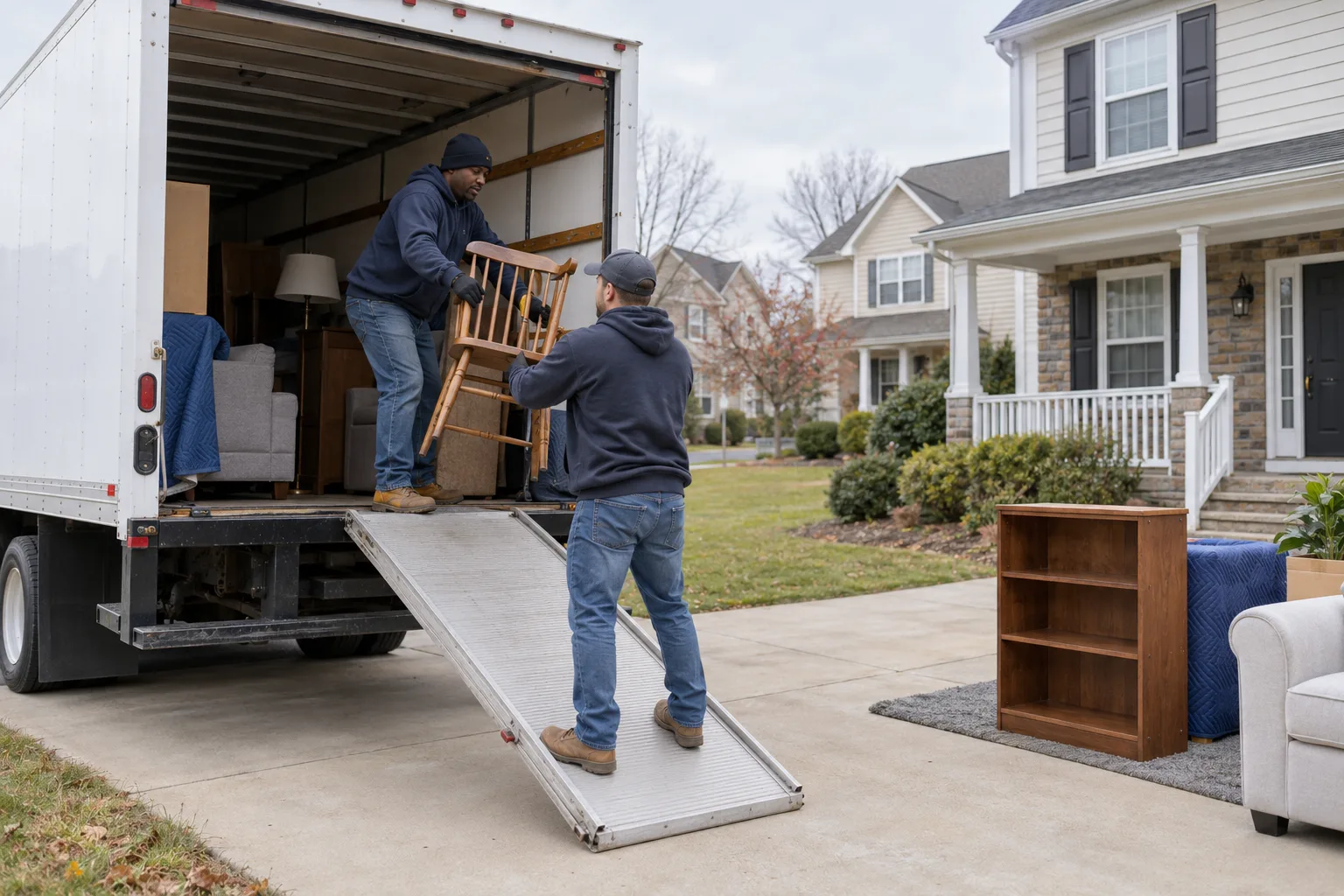
Count every piece. Mention glass, stone, powered mechanisms, fixed components, and loose hardware. Add the floor, stair count, and legal loading position. That information prevents a small description from becoming a very different job.
Use local planning notes for ten nearby Virginia cities, selected from 2025 U.S. Census place coordinates and Hampton Roads municipal geography.
See all area guidesA practical way to check the sofa, doorway, turns, and stairs before anyone starts lifting.
Read the guide →What to clear, photograph, label, and leave alone before a bed frame is carried out.
Read the guide →A material-first plan for wood, glass, stone, leaves, bases, and the path out of the room.
Read the guide →List the pieces, floor, stairs, tight turns, and loading access. A complete picture makes the next conversation useful.